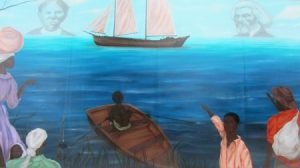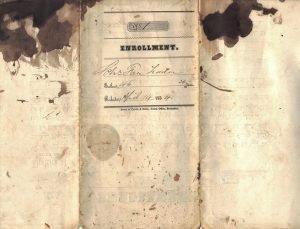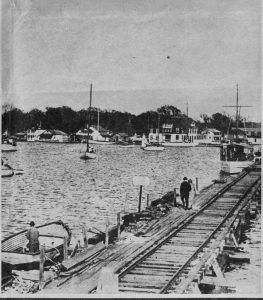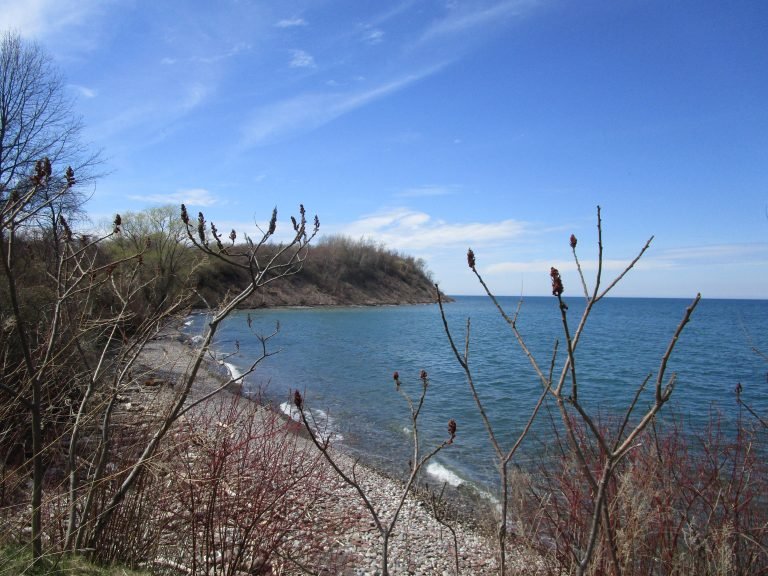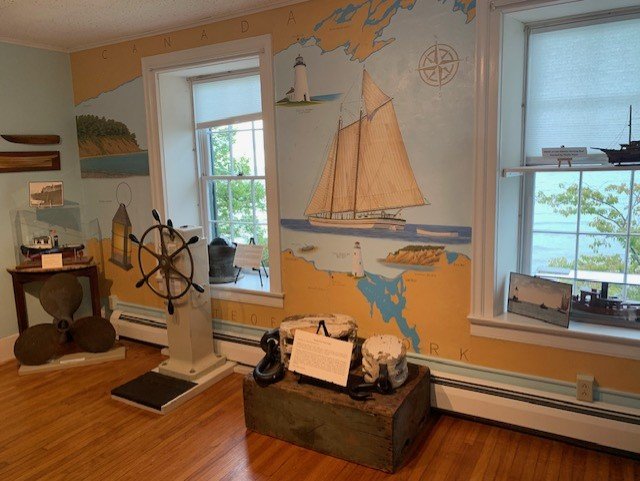
Captain George Garlock ran the freight schooner Free Trader out of Sodus Point in the mid-1800s. Family accounts say that when he saw a small rowboat offshore with people on it, he would stop, take them on board and carry them to Canada. Around Sodus Point, abolitionists sheltered freedom seekers in safe houses. This page gathers the site’s stories, people and places about it, and what is known about the long-told story of a tunnel.
Was there a tunnel?
The pages here tell the story of a tunnel in stages:
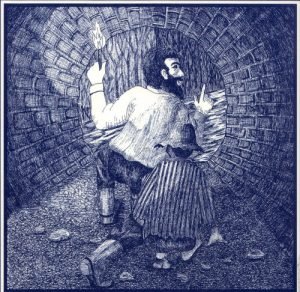
- The family stories. Fran Button Davis, a descendant of Captain William Wickham, told the site that in the 1930s her father spoke of a slave tunnel under what is now Silver Waters B&B (The Sodus Point Tunnel). Oral histories of the Parsons, Arney and Buys families describe freedom seekers brought from a tunnel, covered with a tarp and rowed out to the schooners (The Sodus Point Tunnel Revealed?).
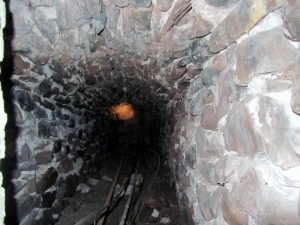
- The 1976 sewer work. Bill Huff, Jr. saw what he described as the remains of a tunnel uncovered midway down John Street, three to four feet high and reinforced in places with bricks and stones; a pontil bottle and a jug found there are said to date from about 1860. Others have suggested the tunnel was used for rum running during Prohibition (The Sodus Point Tunnel).
- A skeptic’s view. The author of The Sodus Point Tunnel Revealed? first doubted a tunnel running from the bay to the lake, which would be at least 1,200 feet long, and found a shorter one of about 100 feet reported at Maxwell Creek Bed and Breakfast more plausible.
- The 2013 tests. A Cornell University team searched with ground-penetrating radar in July 2013. Mortar samples from a 20-foot tunnel in a village house proved to be portland cement, first used in the area no earlier than the early 1900s, and a pipe inside was wrapped in asbestos; the conclusion was that it carried utilities and was not part of the Underground Railroad (Is this the Sodus Point Slave Tunnel?).